Book
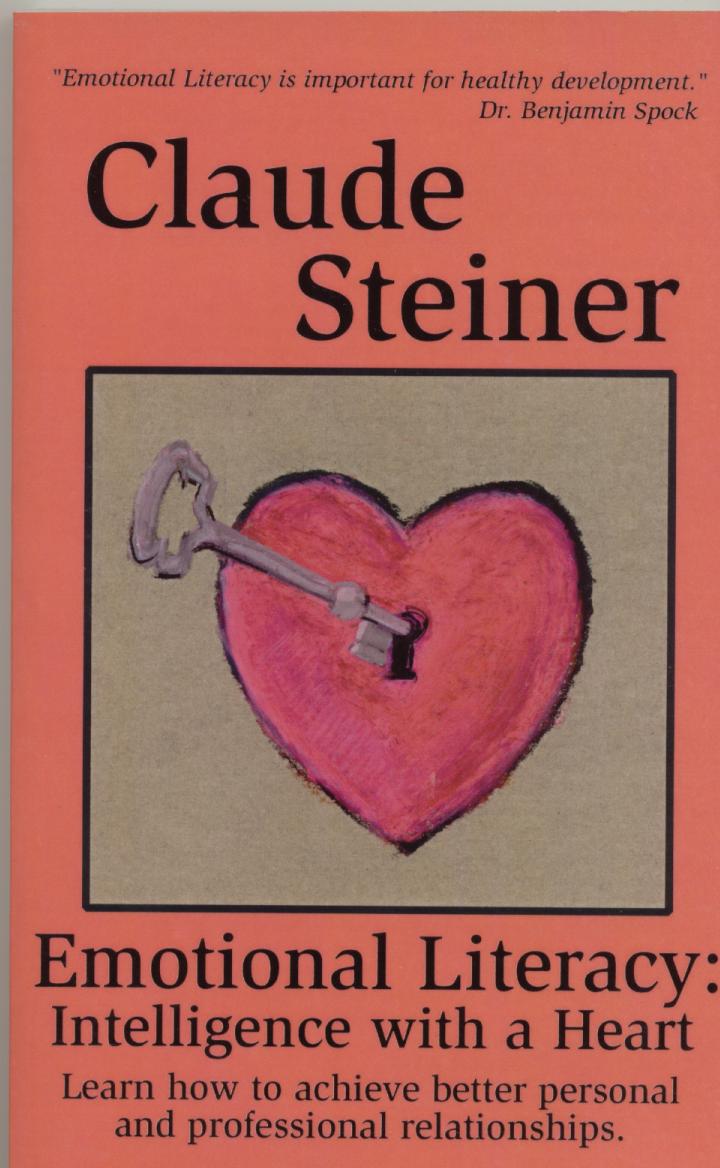
Achieving Emotional Literacy
The definitive guide to Steiner's emotional literacy framework, presenting practical methods for understanding, expressing, and responding to emotions with honesty and skill.
Written for: General readers, therapists, educators, and anyone seeking to deepen their emotional awareness and interpersonal skills
Achieving Emotional Literacy is the book that most fully articulates the concept for which Steiner is perhaps best known. Emotional literacy, as he defines it, is the ability to understand your own emotions, to listen to others and empathise with their feelings, and to express emotions productively. It is distinct from emotional intelligence in its emphasis on interpersonal honesty and its roots in TA theory.
Steiner lays out a clear, practical framework built around three core skills: knowing what you feel, developing a heart-centred capacity for empathy, and learning to manage your emotional interactions without resorting to manipulation or power plays. The book is rich with examples drawn from clinical practice and everyday life.
Published in 1997, the book anticipated by several years the broader cultural interest in emotional skills that would follow. It remains essential reading for therapists, educators, and anyone who wants to move beyond surface-level communication towards relationships built on genuine understanding and care.
Where to find this book
You might also like
The Heart of the Matter: Love, Information and Transactional Analysis
2009
Steiner's mature synthesis of Transactional Analysis theory, placing love and authentic connection at the centre of therapeutic practice and human flourishing.
When a Man Loves a Woman
1986
An examination of romantic relationships through the lens of Transactional Analysis, exploring how gendered scripts shape love, intimacy, and conflict between partners.
Claude Steiner, Emotional Activist
2023
A posthumous collection of biographical and critical essays about Steiner's life, work, and enduring contributions to Transactional Analysis and emotional literacy, edited by Keith Tudor.